

Lying Awake Again? Understanding and Calming Nighttime Anxiety
You've made it through the day. You can turn off the lights and let your head hit the pillow. Then your brain wakes up. Suddenly, you're replaying conversations, running through tomorrow's schedule, or worrying about something you can't even name.
Nighttime anxiety is common complaint. It's exhausting and frustrating. Understanding why it happens is the first step toward finally getting some rest.
Why Anxiety Gets Worse at Night
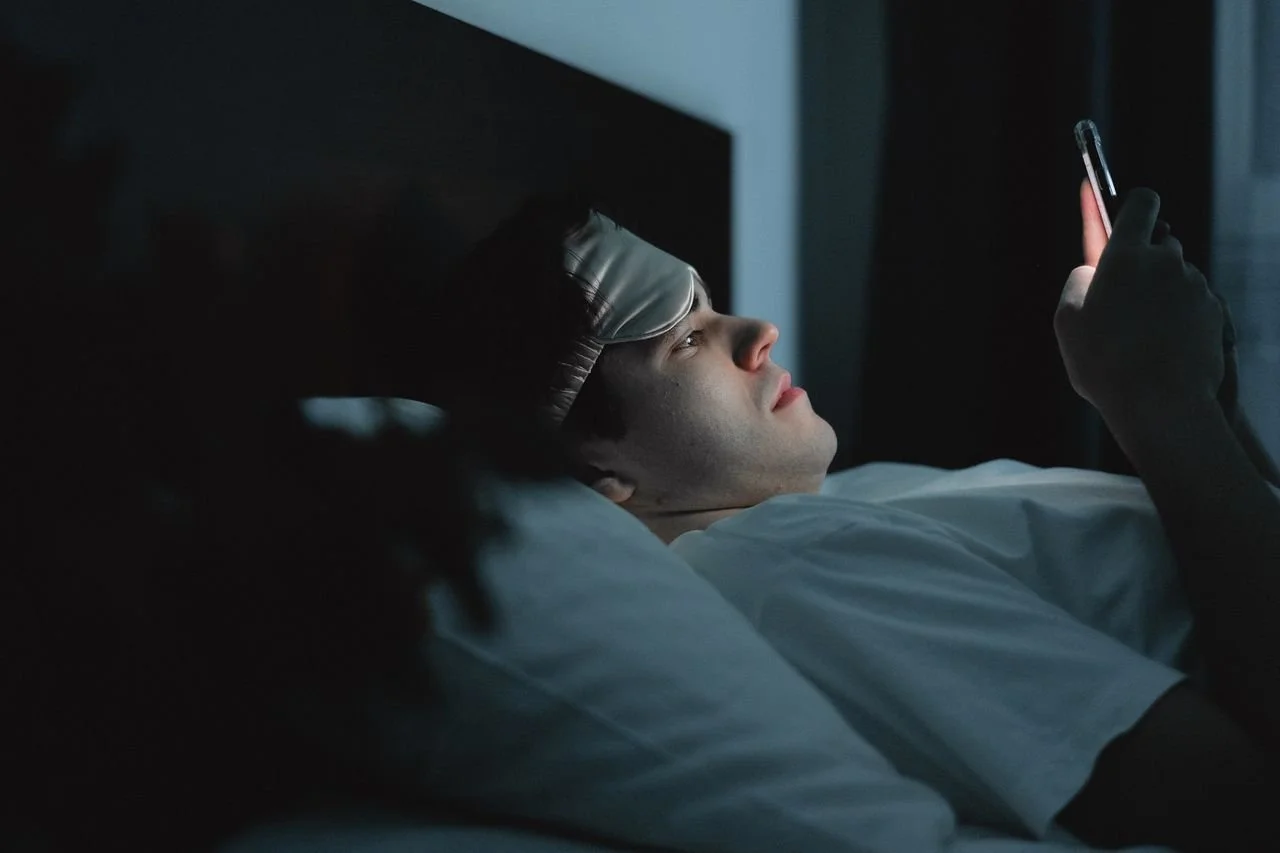
During the day, your brain stays busy. Family, work, errands, and conversations all compete for your attention. That constant activity can actually suppress anxious thoughts, keeping them manageable while the day's noise holds your attention.
At night, those distractions disappear. Unfortunately, your nervous system doesn't automatically shift into rest mode just because the lights go out. For many people, the quiet signals the brain to start processing everything it set aside during the day.
There's also a physiological piece to consider. Cortisol, a stress-related hormone, helps keep you alert. Normally, levels drop in the evening, but when you're anxious, it can continue to flood your body all night, making it harder to settle down.
The Anxiety-Sleep Cycle
Nighttime anxiety creates its own feedback loop. You can't sleep because you're anxious. Then you become anxious because you can't sleep. Over time, your bed starts to feel less like a place of rest and more like a trigger.
This pattern is especially common for people dealing with generalized anxiety, attention-deficit hyperactivity disorder (ADHD), or stress related to major life transitions. Your brain learns to associate bedtime with alertness, making it harder and harder to wind down naturally.
Interrupting the Cycle
The good news is that this cycle can be interrupted. Several evidence-based strategies can help calm your nervous system and shift your brain out of hyperarousal.
Create a consistent wind-down routine. Your nervous system responds well to predictability. A consistent pre-sleep routine, done at roughly the same time each night, signals to your brain that it's safe to slow down. This might include dimming lights, stretching, having some (decaf) tea, or reading something low-stakes.
Try a worry window. Instead of letting anxiety ambush you at bedtime, schedule a specific time earlier in the evening to think through your concerns. Write them down. You might also jot down a brief plan for anything that needs action. This technique, drawn from cognitive behavioral therapy (CBT), teaches your brain that worries have a designated time and place.
Use your breath as an anchor. Slow, controlled breathing directly activates the parasympathetic nervous system. Try inhaling for four counts, holding for four, and exhaling for six. Even a few minutes of this can shift your body toward calm.
Keep the bed for sleep only. If you're lying awake for more than 20 minutes, get up. Move to another room and do something quiet until you feel drowsy. This helps rebuild the mental association between your bed and actual rest.
Limit stimulating content before bed. News, social media, and stressful conversations keep your nervous system on alert. Giving yourself a buffer of at least 30 minutes before sleep makes a real difference.
When to Seek Support
These strategies work well for many people, and they work even better with professional guidance. If nighttime anxiety is persistent, it may be connected to an underlying condition like generalized anxiety disorder or ADHD. Both are highly treatable with the right support.
Therapy for nighttime anxiety offers practical tools for interrupting the thought patterns that keep you awake. Working with a therapist gives you a structured way to address what's actually driving the anxiety, not just the symptoms.
Sleepless nights don't have to be your norm. If you're ready to start addressing nighttime anxiety, book a consultation soon. Together we can explore what's been keeping you from rest.