

Recognizing When Playing Video Games Crosses the Line from Hobby to Addiction
Video games offer relaxation, connection, and a sense of achievement. For many people, gaming stays a healthy hobby that fits comfortably into daily life. For others, it takes over. The line between enjoying a hobby and struggling with addiction can feel blurry, especially since gaming culture normalizes long sessions and constant engagement.
You and your loved ones deserve clarity. This post explores the signs that gaming has shifted from a pastime into something more concerning.
When Gaming Stops Being Just Fun
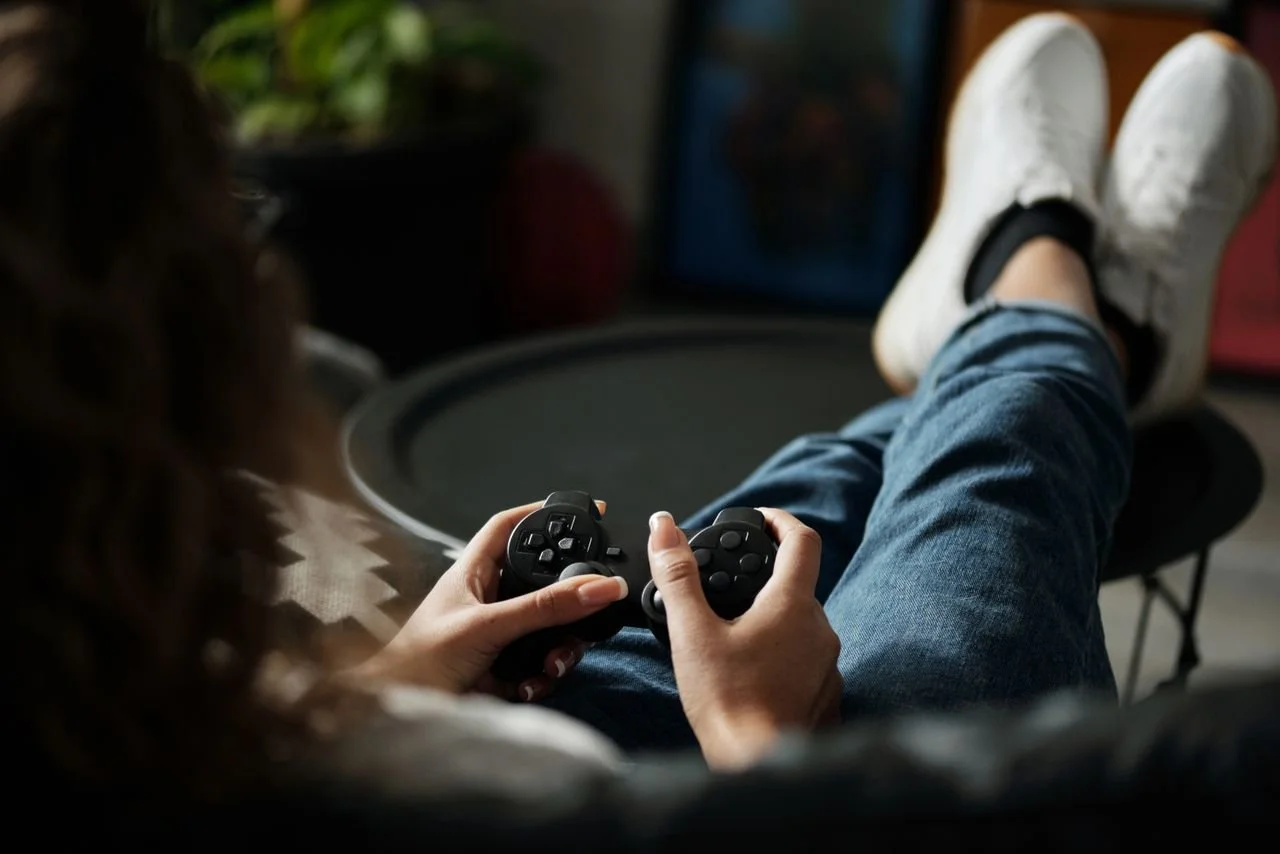
A healthy hobby brings balance and joy. When the hobby becomes unhealthy, it leads to mounting consequences with work, relationships, sleep, and hygiene all taking a hit. Gaming becomes a concern when it starts crowding out other parts of life. Ask yourself whether gaming adds to your life or if it's replacing it.
Moderation looks different for everyone, so there needn't be a strict limit that applies to all people equally. Instead, pay attention to how gaming affects your mood and your sense of control once the console turns off.
Signs the Habit Has Turned into a Problem
Several warning signs indicate a deeper struggle. Playing for longer than intended every time you pick up the controller is one clear sign. Lying to family or friends about how much time you spend gaming is another. Irritability or restlessness when you can't play often signals dependence rather than simple enjoyment.
Neglecting responsibilities at work, school, or home is a serious red flag. Using gaming as an escape rather than a way to relax, deserves attention too. Withdrawal from friends who don't game, along with declining interest in former hobbies, often shows up as well.
None of these alone confirm addiction. Together, though, they paint a troubling picture. Clinicians sometimes describe this pattern using the language of behavioral addiction, similar in some ways to gambling or compulsive shopping.
What's Happening Behind the Screen
Video games are designed to be engaging. Reward systems and social features all trigger dopamine release in the brain. That's not inherently bad; it's how all games work. Problems arise when the brain starts craving that reward more than it values connection or basic self-care.
Motivational interviewing can help identify what needs gaming meets, whether it's stress relief, social connection, or a sense of accomplishment. Naming those needs is the first step toward meeting them elsewhere.
Healthier Ways to Reengage
Change doesn't require quitting gaming altogether. Setting concrete limits, like a timer or a designated stopping point, can restore a sense of control. Other steps you can take include:
Scheduling gaming after responsibilities are done, rather than before, helps keep priorities straight.
Cognitive behavioral techniques can help you notice the thoughts that trigger a gaming binge and respond differently.
Replacing some gaming time with in-person connection or physical activity builds resilience without demanding total abstinence.
Tracking your play sessions for a week, without judgment, can reveal patterns you hadn't noticed.
Small experiments, like gaming only after a walk or a meal with family, tend to work better than sweeping resolutions. Harm reduction approaches recognize that small, sustainable changes often outlast rigid, all-or-nothing rules.
When to Reach Out for Support
If gaming has damaged relationships, finances, or your sense of self, professional support can help. A therapist trained in behavioral addiction therapy can offer a clear, judgment-free assessment of where you stand.
Treatment doesn't mean giving up something you enjoy forever. It means learning to enjoy it without letting it run your life. Many clients find that addressing underlying anxiety, ADHD, or stress reduces the pull of compulsive gaming considerably. Reaching out is a sign that you're ready to make a change, on your own terms, with support.