

How Parents Can Lower a Child's Risk of Addiction
Addiction doesn't begin in adulthood. Research consistently shows that risk factors take root much earlier in life. As a parent, you have significant influence on your child's future. The relationship you build with your child now can shape how they handle stress, peer pressure, and difficult emotions for years to come.
You don't need a perfect family to lower your child's risk. You just need to show up consistently and stay open and connected.
Start With an Open, Honest Relationship
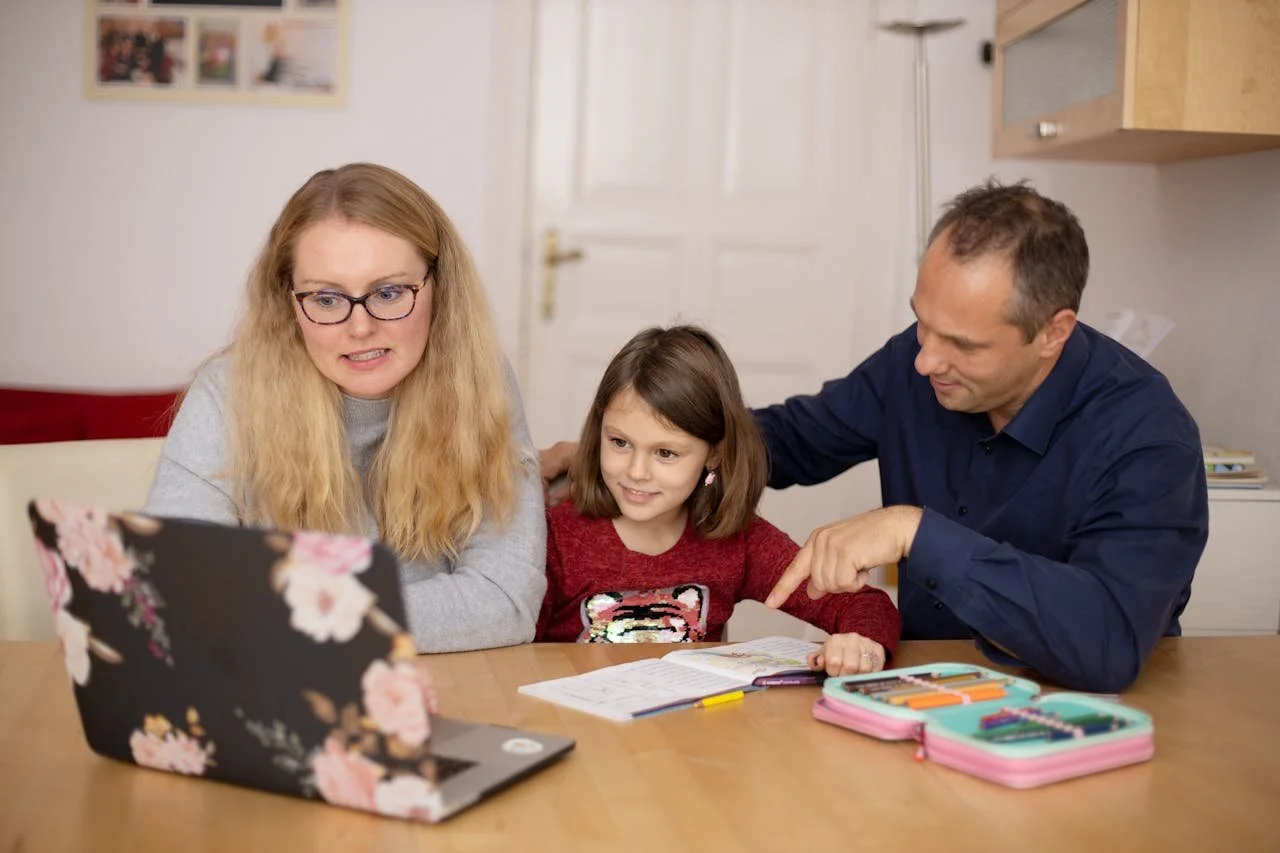
Kids who feel close to their parents are less likely to experiment with substances and more likely to go to you when struggling. Make it a habit to talk openly about hard topics without lecturing or panicking.
Ask about their friendships, school life, worries, and what brings them joy. When they feel genuinely heard, they're willing to keep talking. That ongoing conversation is one of your most powerful tools.
Talk About Substances Early and Honestly
Don't wait for a "perfect moment" to bring up alcohol or drugs. Research supports starting these conversations well before the teenage years. Keep them age-appropriate, factual, and calm.
Avoid scare tactics; they rarely work anyway. Instead, focus on how substances affect the developing brain and body. Let your child ask questions. Revisit the topic regularly as they get older.
Understand the Role of Mental Health
Anxiety, attention-deficit hyperactivity disorder (ADHD), depression, and trauma are all linked to higher addiction risk. Children who struggle emotionally are more vulnerable, especially when those struggles go unaddressed.
If your child seems persistently anxious, impulsive, or withdrawn, take it seriously. Early mental health support makes a real difference. A proper diagnosis and therapy can reduce the likelihood of self-medication later on.
Build Emotional Regulation Skills
One of the biggest risk factors for addiction is difficulty managing uncomfortable emotions. Kids who can't tolerate distress may look for fast relief—and substances can seem like an easy fix.
Help your child name their feelings without shame. Teach them to pause before reacting. Practice problem-solving together when things get hard. These skills don't come naturally to all kids, but they can absolutely be learned.
Set Clear, Consistent Boundaries
Structure matters. Kids with clear family rules about substances are less likely to use them. Be specific about your expectations, and make sure your child understands the reasoning behind them.
While they might push back against perceived control, boundaries are about creating safety. When kids know where the lines are, they feel more secure. Enforcing those limits with warmth, rather than harshness, keeps the relationship intact.
Stay Involved Without Hovering
Knowing with whom your child spends time matters a great deal. Peer influence is one of the strongest predictors of early substance use. That doesn't mean you control every friendship, but stay curious and engaged.
Know where they are and who they're with. Have dinner together when you can. Show interest in their world. Connected kids are more likely to make choices that reflect your family's values.
Model What You Want to See
Your child is watching how you handle tough moments. If you reach for a drink after a hard day, they notice. That doesn't mean you can't have a glass of wine. What it means is that you must be intentional and honest about why you make the choices you do.
Talk openly about your own stress management strategies. Show them that difficult emotions are survivable without numbing them.
When to Seek Support
If you're worried about your child's emotional well-being or early substance use, you don't have to figure it out alone. You're already asking the right questions. That's a great place to start.
A therapist who works with adolescents and families can offer real, practical guidance through children's therapy for addiction prevention. When it comes to your child's future and risk of addiction, reaching out early is always better than waiting. Don't hesitate to reach out for a consultation.